It is the question we are asked most often: is everything you sell certified organic? The honest answer is no. Our Mondulkiri pepper is certified. Our teas are not, and neither will our cashews be when they launch. We could stay quiet about that. We would rather explain it.
An organic certificate is not a description. It is an audit. It means an independent body has inspected a farm, reviewed its records, and confirmed how it grows over a period of years — then returns to do it again, for a fee, every year after. The standard is real and worth respecting. So is the cost. For a small family farm in Cambodia, the paperwork and the recurring expense can weigh more than the farming itself.
The result is a quiet unfairness. A great deal of genuinely clean Cambodian produce never carries the label, simply because the family growing it cannot justify the cost of proving what they already know. Meanwhile, plenty of certified product elsewhere is grown to the lowest standard the paperwork will allow. A certificate tells you something true. It does not tell you everything.
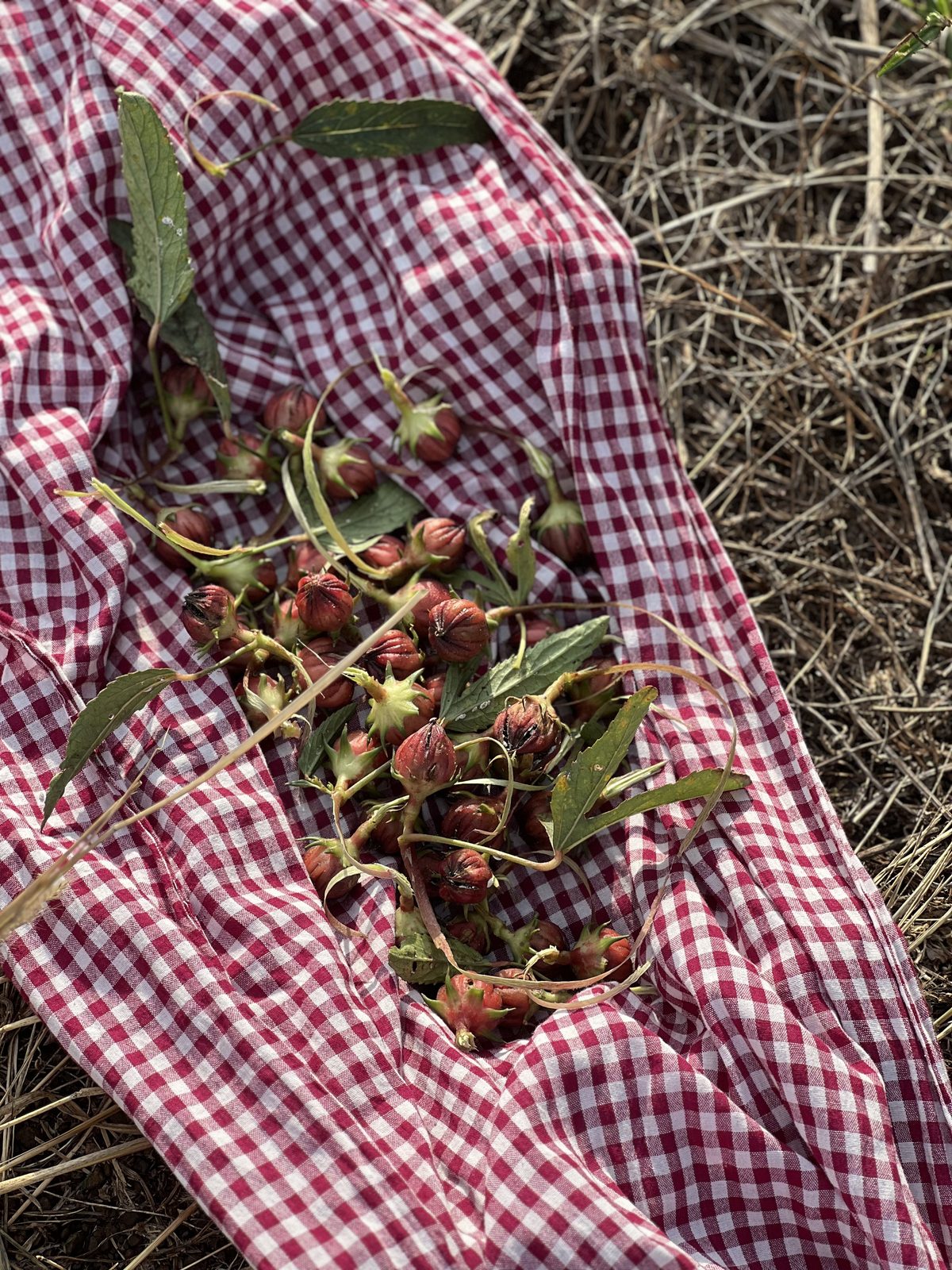
So we work the other way around. Before we sell anything, we go to the farm. We meet the family. We see how they grow, what they use, and what they refuse to use. Our teas — roselle, butterfly pea, lemongrass — come from single farms we have stood on, grown without synthetic chemicals, because that is how those families have always worked.
Here is exactly where we stand, product by product. Our pepper is certified organic, grown in Mondulkiri. Our teas are single origin, family grown, without synthetic chemicals, and not certified. Our spiced cashews, arriving soon, follow the same standard. We will always tell you which is which.
We made this choice early: choose growers for how they actually farm, then be honest about what holds a certificate and what does not. A logo on a box is easy to print. Knowing the family who grew what is inside it is harder, and worth more. Ask us where any of it comes from — we can answer.