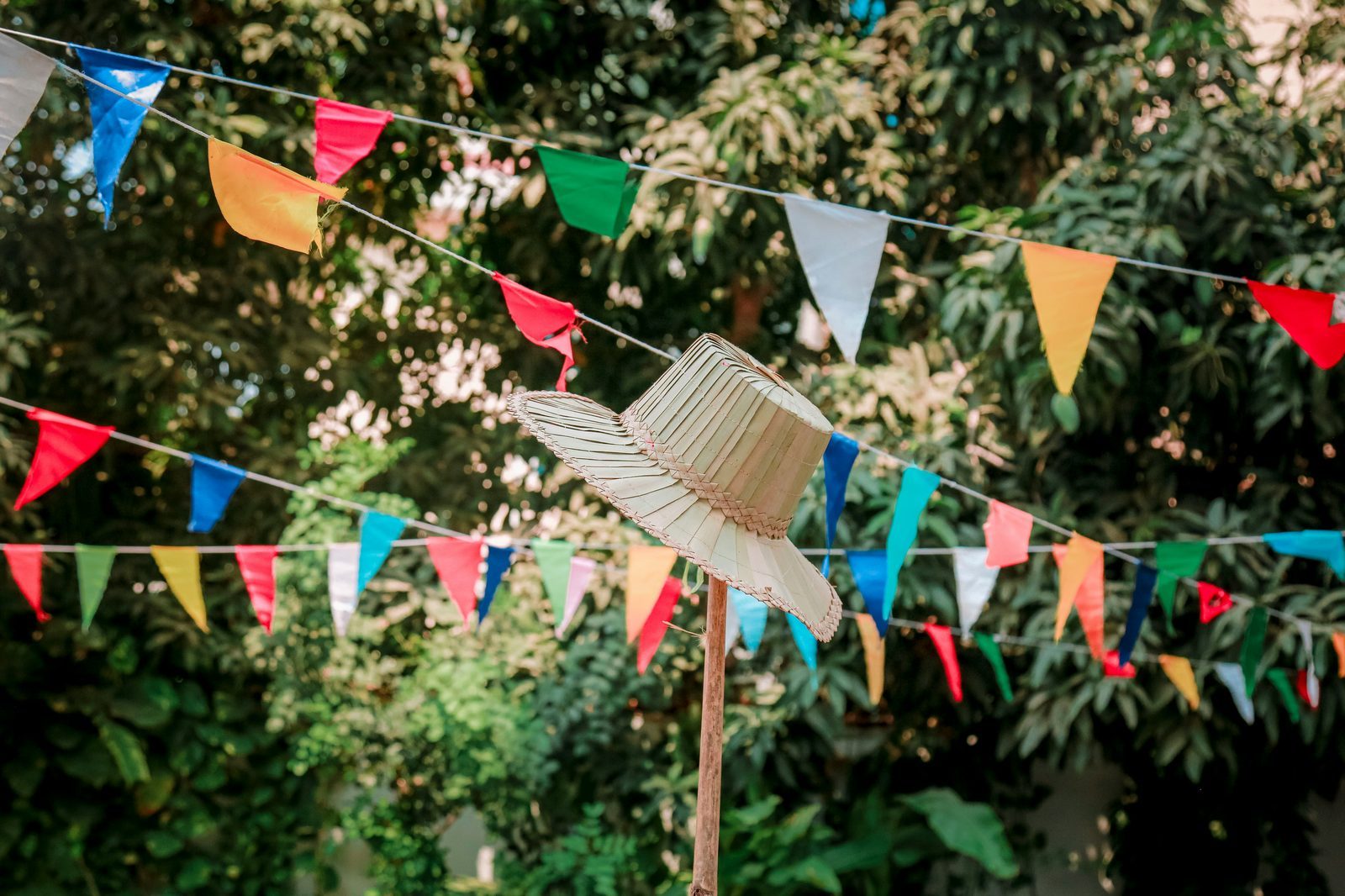
Every April, Phnom Penh slows down. The streets empty. Families gather. And in kitchens across Cambodia, the sound of mortar and pestle picks up again.
Choul Chnam Thmey is many things — a time to visit pagodas, to pay respect to elders, to throw water at cousins who did not see it coming. But at its center, always, is food. Not restaurant food. Home food. The kind that fills a table without ceremony, made from whatever is fresh and close at hand.
In our household, pepper finds its way into nearly everything during the new year. Not because we sell it — because we grew up with it. Mondulkiri pepper is what Leakhena remembers from her family table, and it is what we want Freya to remember from ours.
Here are three dishes that anchor our new year table. None of them are complicated. All of them are better with good pepper.
1. Kdam Mrech — Pepper Crab
This is the dish that disappears first. Always.
Take fresh crab — river crab if you can find it, blue crab if you cannot — and stir-fry it hard in a screaming-hot wok with garlic, palm sugar, fish sauce, and a generous amount of cracked black pepper. Mondulkiri black pepper is ideal here because its heat builds slowly and does not overwhelm the sweetness of the crab.
The key is restraint everywhere except the pepper. Let the pepper lead. A full tablespoon of coarsely ground black pepper for every two crabs. Finish with a handful of fresh green peppercorns on the vine if you have them. They pop between your teeth and release a sharp, almost citrus note that cuts through the richness.
We serve it on newspaper, the way Leakhena remembers it from her childhood. Freya eats it with her hands and declares it "spicy but good." That is the highest review we have received to date.
2. Tuk Meric — Simple Pepper and Lime Dipping Sauce
If you have never tried tuk meric, you are missing one of the most useful things a Cambodian kitchen can produce.
Grind black pepper and salt together in a mortar — roughly, not to a powder. Squeeze in fresh lime juice. That is it. Some families add a sliver of chili. We do not. The pepper does enough on its own.
This sauce sits on the table in a small dish and goes with everything: grilled fish, steamed vegetables, fried eggs, sliced cucumber. During new year, when the table is crowded and informal, tuk meric is the quiet constant. It ties the whole spread together.
The quality of the pepper matters here more than anywhere else because there is nowhere to hide. With Mondulkiri pepper, the sauce has warmth and depth rather than just heat. You taste earth and wood alongside the citrus of the lime. With commodity pepper, you taste only sharpness.
3. Svay Dot Mrech — Green Mango with Pepper and Salt
This one surprises people who did not grow up with it. Green mango, sliced thin, dipped in a mix of salt, sugar, and ground red pepper.
Monorom red pepper is what makes this version different from the street-cart standard. Red Kampot-style peppercorns carry a warmth that is almost sweet, with a fruity note that pairs with the tartness of unripe mango in a way that regular pepper cannot.
The proportions are personal. We use roughly two parts salt, one part sugar, one part ground red pepper. Mix it in a small bowl. Slice the mango. Sit outside. This is the snack Freya asks for by name. She calls it "the sour one."
It is also the dish that, more than any recipe, convinced us that good pepper is not a luxury. It is a daily ingredient. The difference between average and excellent is small in cost and enormous in taste.
The Table Is the Point
Khmer New Year food is not about technique or presentation. It is about gathering. The table is crowded, the plates are shared, and the conversation is loud. Pepper — good pepper — makes all of it better. Not because it is special-occasion seasoning, but because it is the opposite. It belongs in the everyday.
That is what we built Monorom around. Not the idea that our pepper is too precious to use freely, but that it is good enough to use every day, on everything, without thinking twice.
From our family table to yours — soursdey chnam thmey.