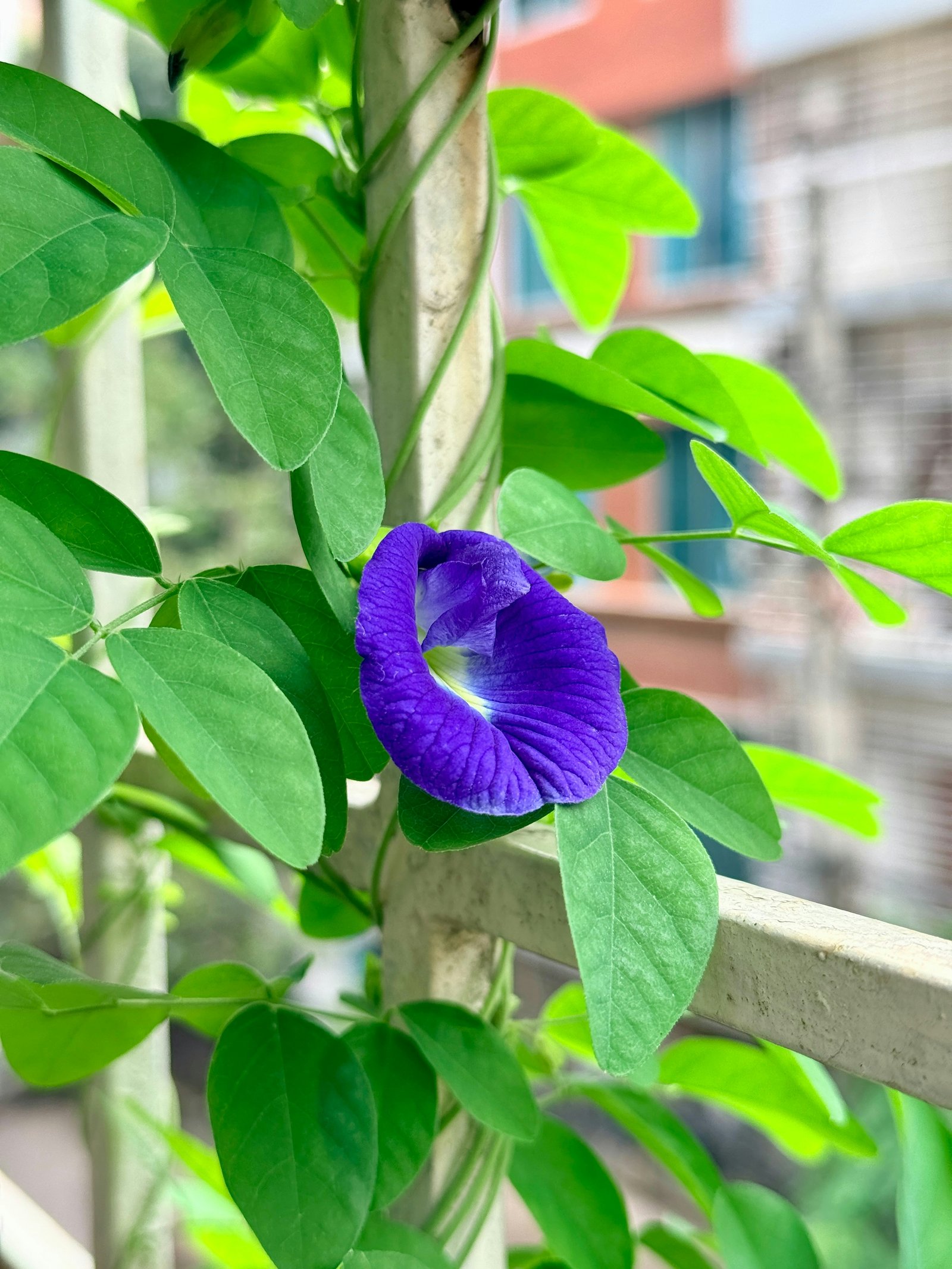
In Cambodia, the butterfly pea grows almost without effort. It climbs over fences, spills across roadside gardens, and flowers in a blue so saturated it almost looks unreal. Most people here have grown up seeing it. Very few have been told what it can do.
For us, butterfly pea is not a trend. It is a quiet, honest ingredient that has been part of Southeast Asian kitchens for generations — used in rice, in sweets, in drinks, and in the kind of slow household remedies mothers pass on without writing down. What changes is the packaging, the context, and the care we take when we dry and store the flower. The plant itself has always been here.
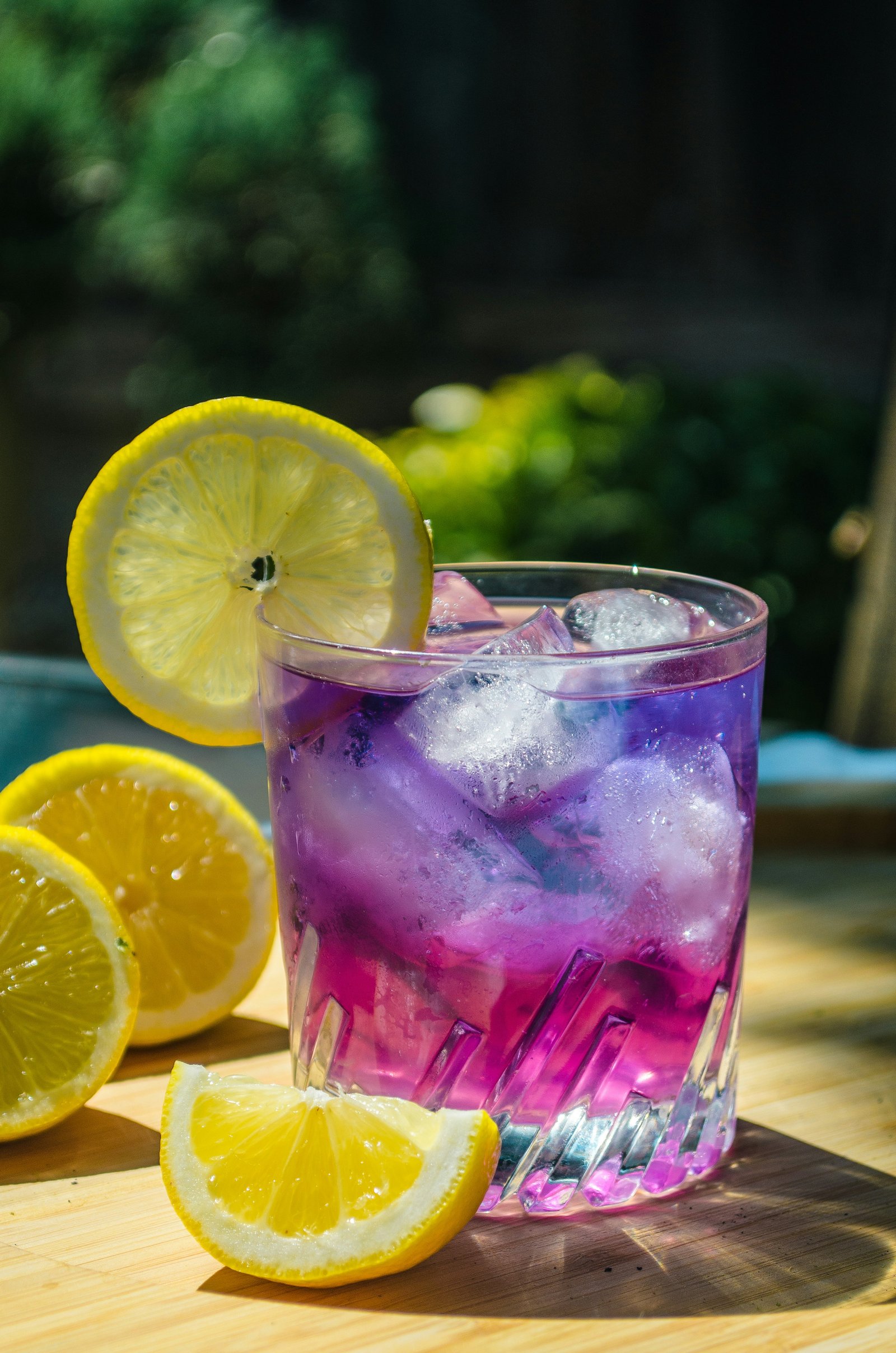
When you steep dried butterfly pea petals in hot water, the liquid turns a deep indigo within seconds. Add a squeeze of lime or a slice of lemon, and the color shifts to a clear purple. That small piece of chemistry is the part most people remember. But what we want to talk about today is what sits underneath the color.
Butterfly pea is rich in anthocyanins — the same family of antioxidants found in blueberries, red cabbage, and black rice. Anthocyanins are the pigments that give plants their blue, purple, and red tones, and researchers have been studying them for years because of how the body responds to them. The short version is that they help the body manage oxidative stress, which is the slow, everyday wear that comes with living in a modern environment, eating modern food, and breathing modern air. Butterfly pea is one of the most concentrated natural sources of these compounds in Southeast Asia.
Beyond the antioxidant story, butterfly pea has been used in traditional practice across the region to calm the nervous system. It is not a sedative. It does not knock you out. What it does, gently, is slow you down. A cup at the end of a long day feels different from a cup of green tea. There is no caffeine. There is no crash. Just a clear, quiet cup that sits well in your hands and cools your mind before it cools your body.
In Cambodia, right now, the heat has arrived in full. Temperatures are climbing past thirty five degrees by mid morning, and the afternoons do not really release. This is the season where hot drinks lose their appeal and the kitchen starts looking for cold brews that still feel like something, not just water with ice. Butterfly pea is made for this moment.
Here is how we drink it at home in May.
Cold brew jug
One heaped tablespoon of dried Monorom butterfly pea, one litre of cold filtered water, into a glass jug in the fridge overnight. In the morning the water is a deep indigo. Strain, serve over ice, and add half a fresh lime when you pour the glass. The color changes at the table, which is its own small ceremony.
Butterfly pea with lemongrass
Steep a heaped teaspoon of butterfly pea with a single bruised stalk of lemongrass in hot water for five minutes. Let it cool. Pour over ice. This is what we drink after a walk in the heat, when we want something herbal rather than sweet.
Butterfly pea honey refresher
Brew strong butterfly pea, let it cool, stir in a spoon of raw Cambodian honey, add a squeeze of lime and a few mint leaves. It looks like something you would be charged ten dollars for in a hotel. It costs almost nothing to make at home.
One pouch, one season
Our butterfly pea is dried slowly, without heat that dulls the pigment, and packed into small kraft bags so the flowers keep their color and their potency. We do not blend it with anything. We do not flavor it. What is in the bag is what grew on the vine, in Cambodia, cut by hand.
The ingredients we champion at Monorom are the ones that have always been around us but have never been treated with the care they deserve. Butterfly pea is one of those. It is easy to grow, easy to brew, easy to love, and far more useful than the color alone suggests. If you have never kept a jar of it on your shelf, this is the season to start.